Leave A Message
If you are interested in our products and want to know more details,please leave a message here,we will reply you as soon as we can.

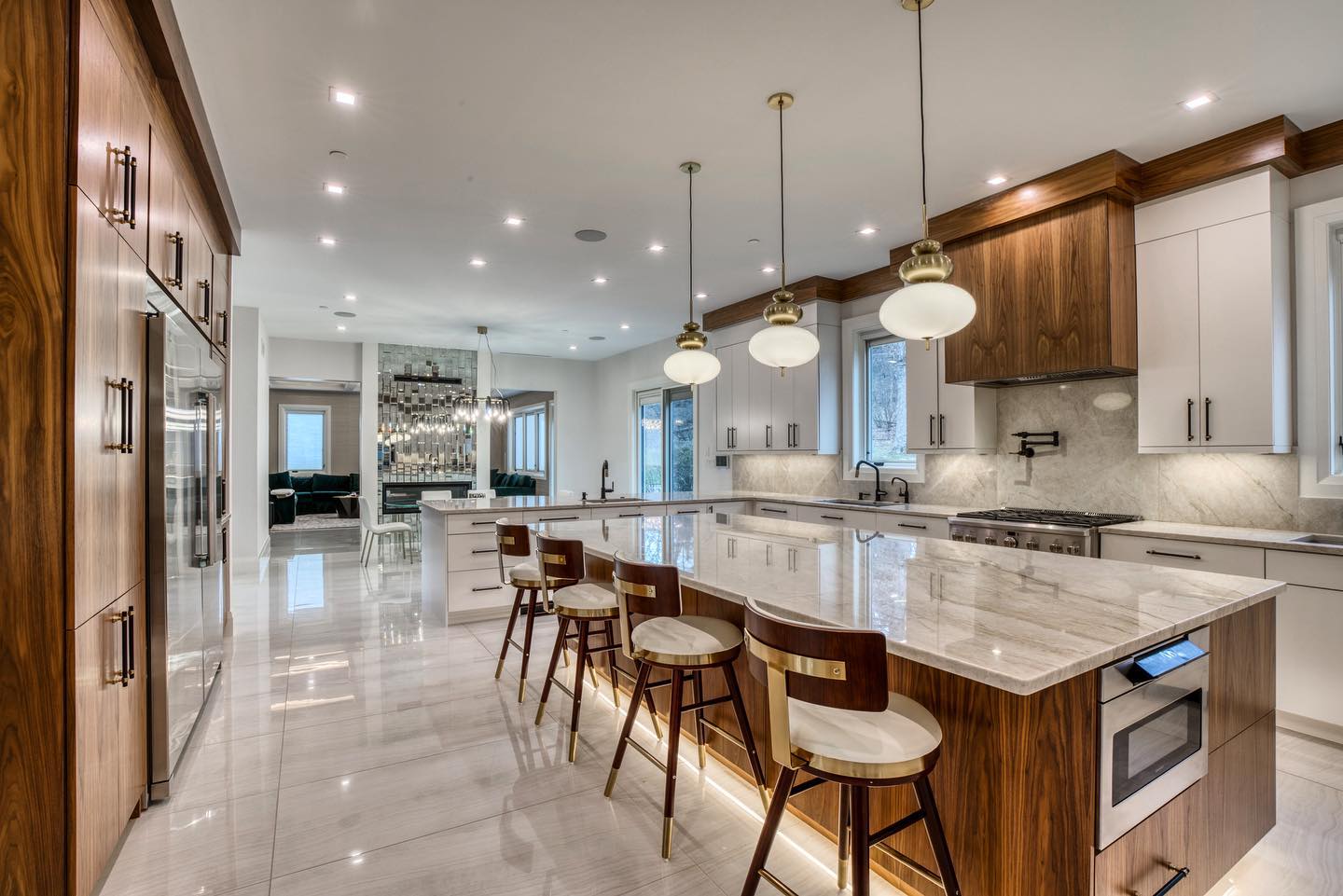
Taj Mahal–style countertops have become increasingly popular in modern kitchen and bathroom design. With their soft beige background, elegant veining, and marble-like luxury appearance, they are widely used in high-end homes as well as commercial projects.
However, when choosing a countertop material, many homeowners, designers, and developers ask the same question:
What is the difference between Taj Mahal Quartzite and Taj Mahal Quartz?
Although these two materials often look similar, they differ significantly in terms of material composition, durability, maintenance requirements, and price.
In this guide, we will compare Taj Mahal Quartzite vs. Taj Mahal Quartz to help you determine which material is best suited for your kitchen or bathroom countertop project.
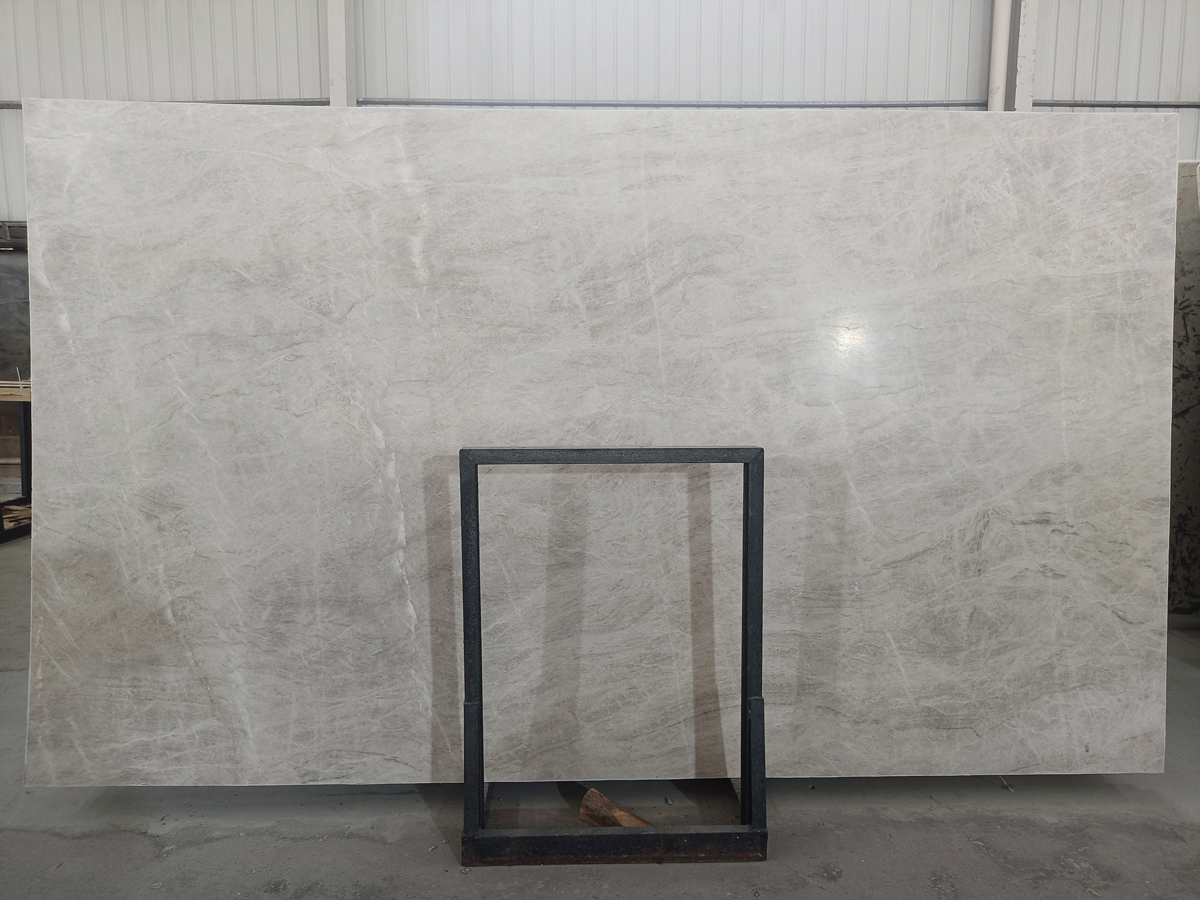
Taj Mahal Quartzite is a natural quartzite stone that is mainly quarried in Brazil. It forms when sandstone undergoes intense heat and pressure beneath the earth's surface, transforming into a dense and extremely durable stone.
This material is well known for its:
Creamy beige or light ivory background
Subtle gold or gray veining
Elegant appearance similar to marble
Because of its beauty and durability, Taj Mahal quartzite is widely used for:
Kitchen countertops
Kitchen islands
Bathroom vanity tops
Wall cladding and decorative surfaces
Compared with marble, quartzite is generally harder and more resistant to scratching, while still offering the natural patterns and unique character that only real stone can provide. Each slab has its own natural variations, making every installation unique.
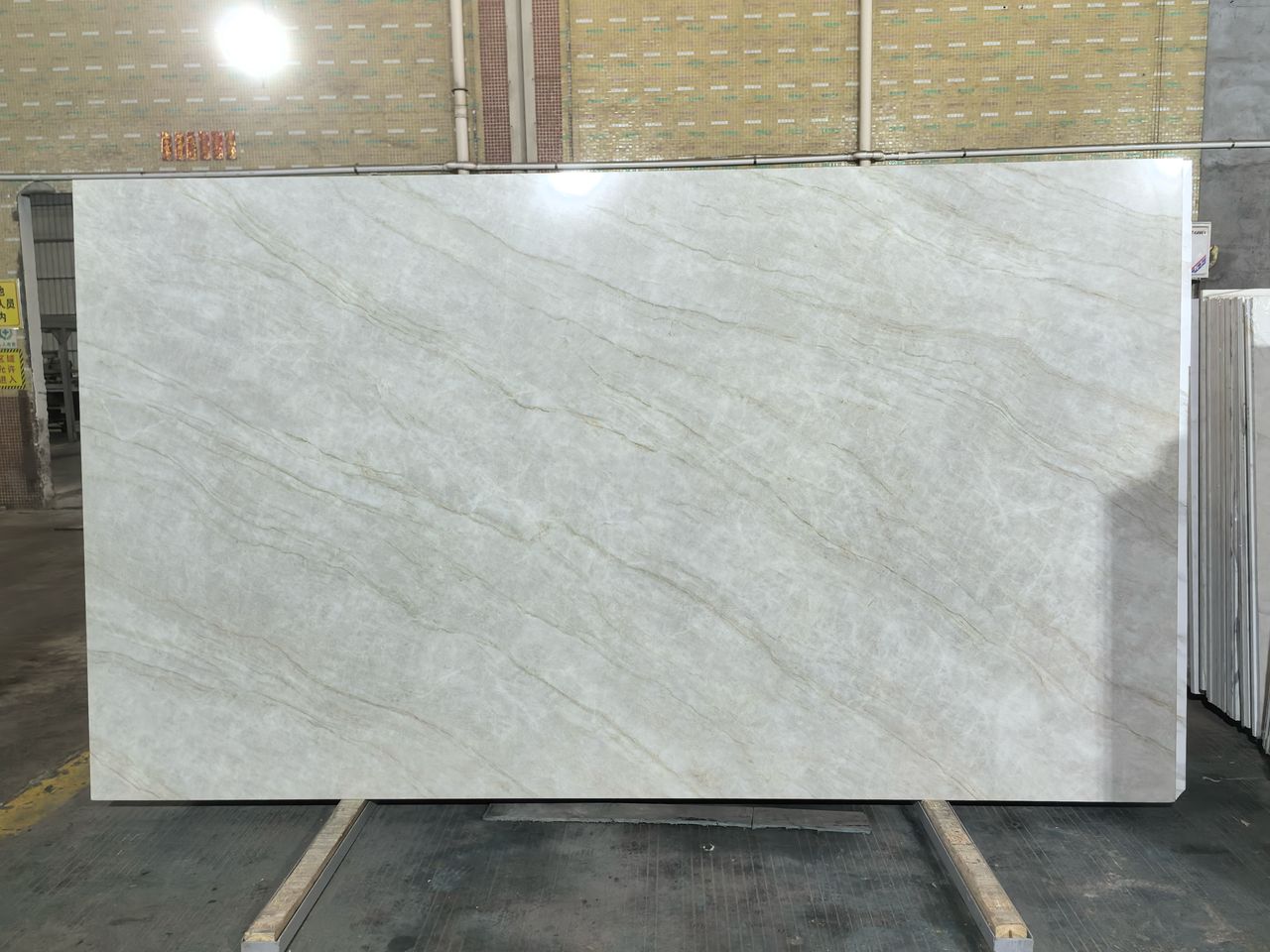
Taj Mahal Quartz is an engineered quartz surface designed to replicate the elegant look of Taj Mahal quartzite. It is manufactured by combining natural quartz particles with resin and pigments under high pressure.
High-quality engineered quartz typically contains over 93% natural quartz, which provides excellent strength and durability.
Key characteristics of Taj Mahal quartz include:
More consistent color and veining
Non-porous surface
No sealing required
Easy cleaning and maintenance
Because of these advantages, Taj Mahal quartz is commonly used for:
Kitchen countertops
Bathroom vanity tops
Commercial interiors
Apartment and residential development projects
For projects that require consistent appearance across multiple units, engineered quartz is often the preferred option.
Although these materials may look similar, they differ in several important ways.
| Feature | Taj Mahal Quartzite | Taj Mahal Quartz |
|---|---|---|
| Material | Natural quartzite stone | Engineered quartz |
| Appearance | Natural variation in each slab | Consistent pattern |
| Heat Resistance | Excellent | Moderate |
| Maintenance | Requires periodic sealing | Low maintenance |
| Cost | Higher due to natural sourcing | More budget-friendly |
In simple terms:
Quartzite = Natural stone
Quartz = Engineered stone
Each option has its own advantages depending on design preference, maintenance expectations, and budget.
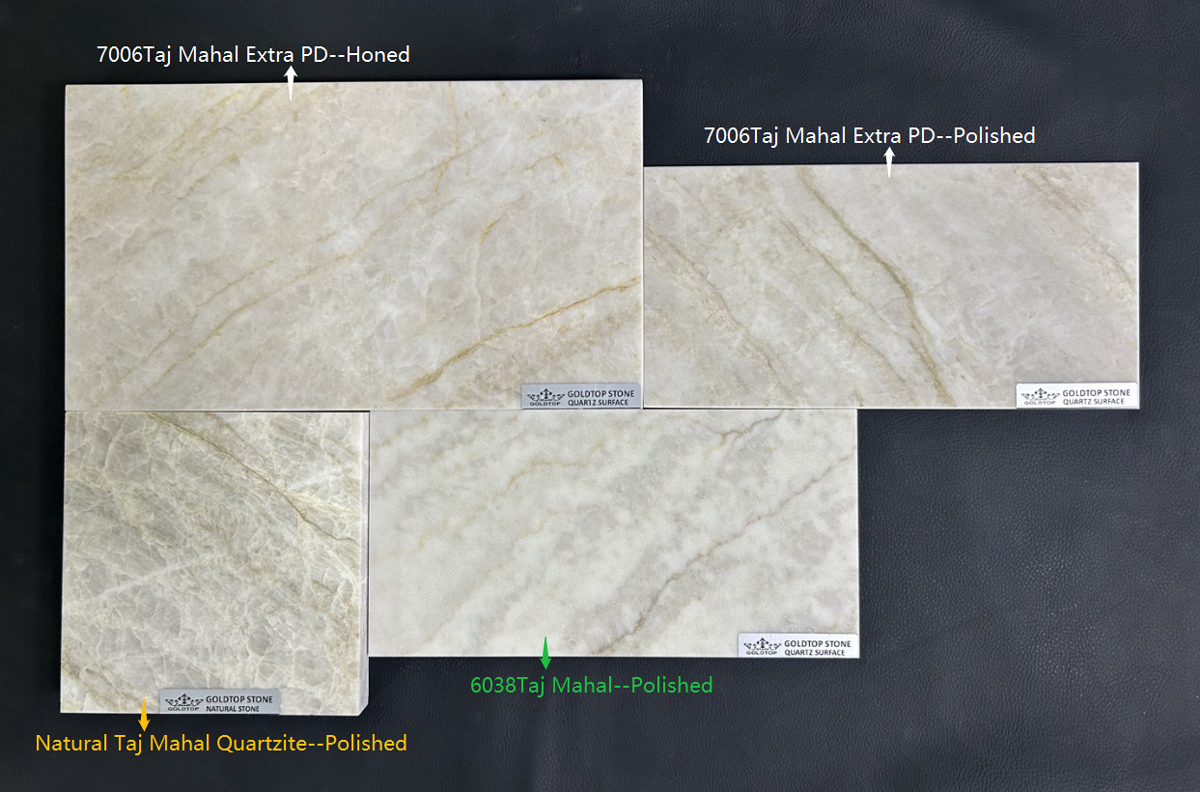
From a design perspective, both materials aim to achieve the elegant aesthetic associated with Taj Mahal stone. However, there are noticeable differences.
Naturally flowing veining
Unique pattern in every slab
Greater visual depth and natural texture
More uniform pattern
Consistent color tone
Easier to match across multiple installations
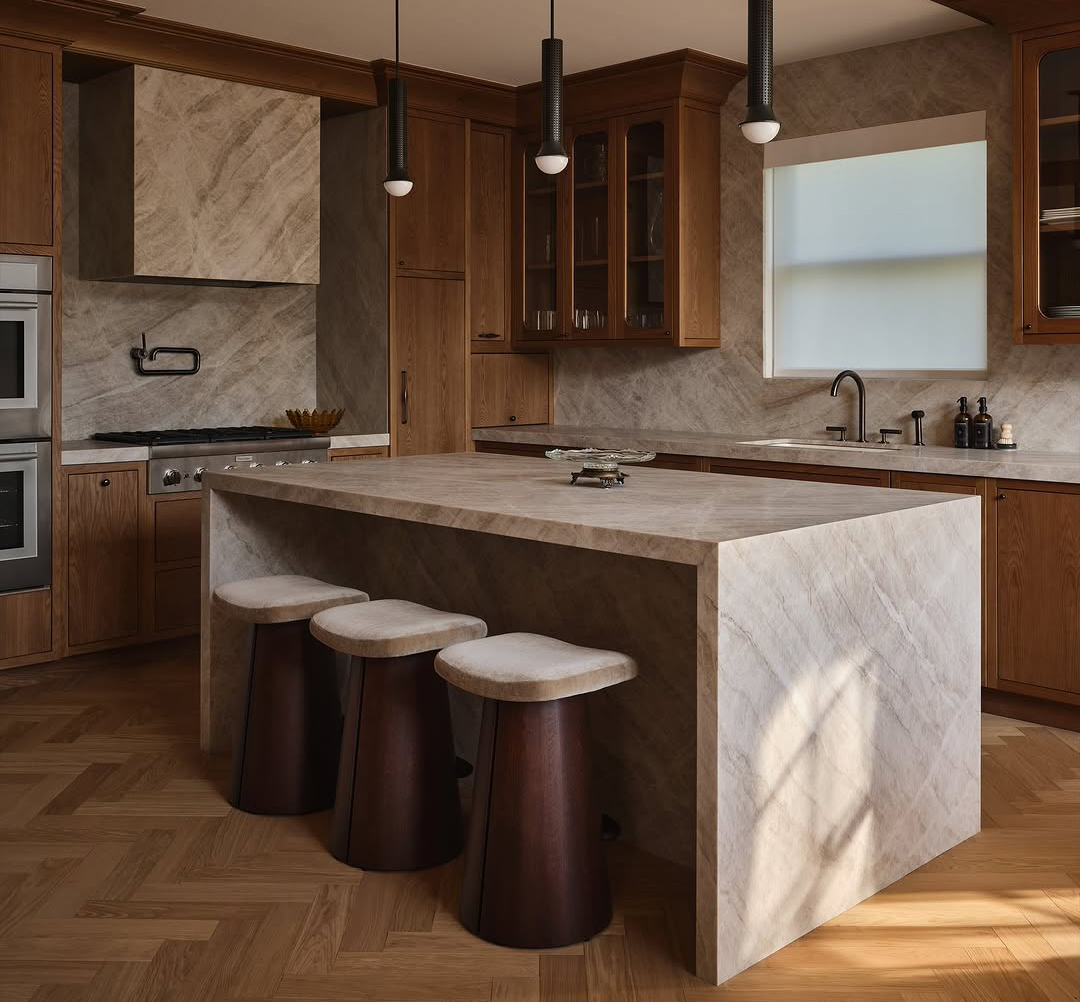
In luxury residential design, many architects and interior designers prefer Taj Mahal quartzite countertops because natural stone offers a level of authenticity and uniqueness that engineered materials cannot fully replicate.
Both quartzite and quartz are durable countertop materials, but they perform differently when it comes to heat resistance and maintenance.
| Performance | Taj Mahal Quartzite | Taj Mahal Quartz |
|---|---|---|
| Hardness | Extremely hard natural stone | Durable engineered surface |
| Scratch Resistance | Excellent scratch resistance | Good scratch resistance |
| Heat Resistance | Highly heat resistant | Moderate heat resistance |
| Maintenance | Requires periodic sealing | No sealing required |
| Daily Cleaning | Mild cleaners recommended | Very easy to maintain |
Overall:
Quartzite offers better heat resistance and natural stone strength.
Quartz provides easier long-term maintenance.
For homeowners who frequently cook or place hot cookware on countertops, quartzite may provide an advantage. For those who prefer a surface that requires minimal maintenance, quartz is often the more convenient choice.
In general, Taj Mahal quartzite tends to be more expensive than Taj Mahal quartz.
This price difference is influenced by several factors:
Natural stone quarrying and extraction
International shipping and transportation
Limited availability of large slabs
Higher fabrication and installation complexity
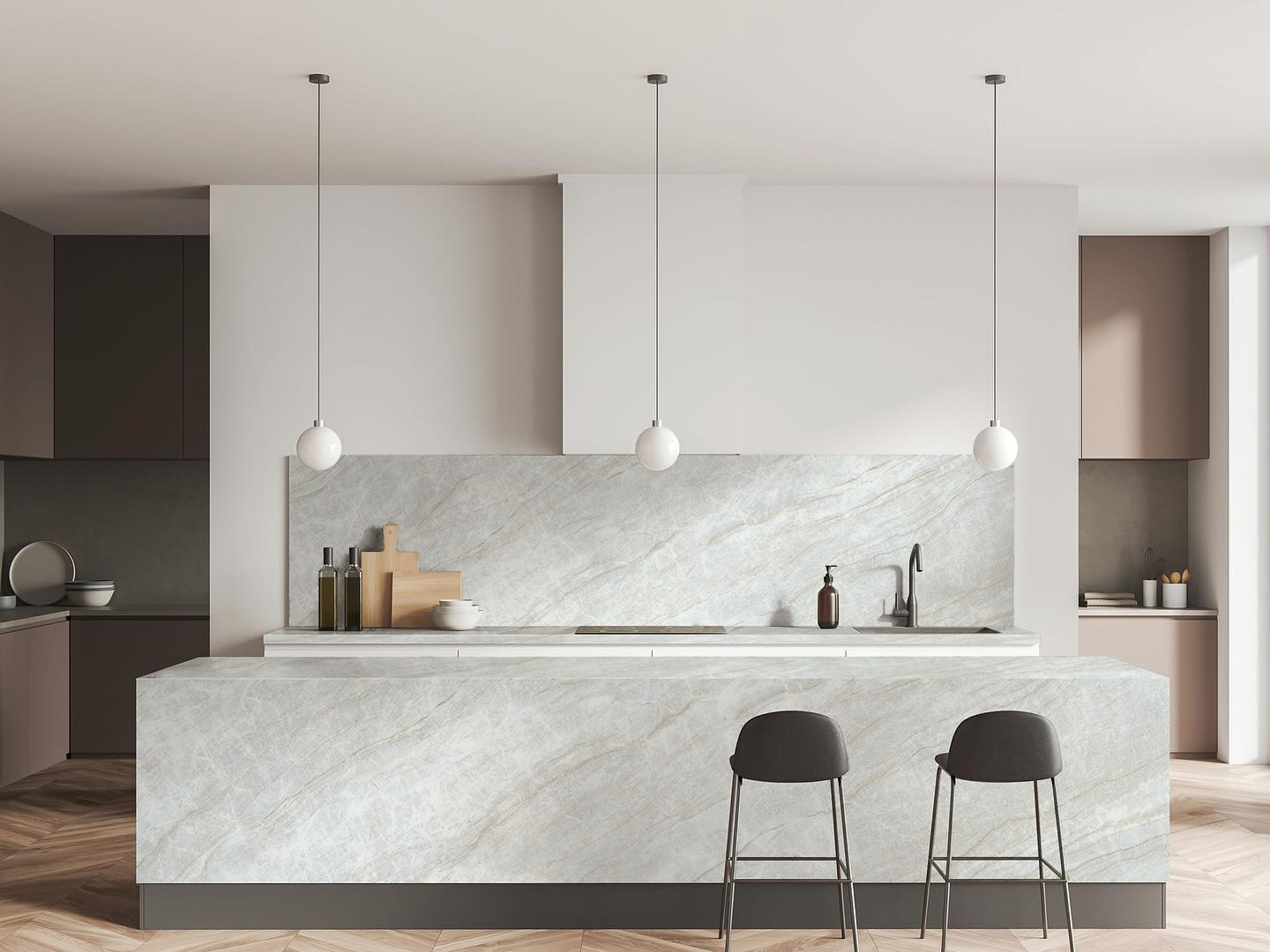
Engineered quartz, by contrast, is produced through controlled manufacturing processes, which makes it more affordable and widely available.
For large residential developments or commercial projects, quartz is often chosen because it offers a good balance between appearance and cost.
Choosing between Taj Mahal quartzite and Taj Mahal quartz depends largely on your design goals, budget, and maintenance preferences.
| If You Prefer | Taj Mahal Quartzite | Taj Mahal Quartz |
|---|---|---|
| Natural stone beauty | ✓ Best choice | — |
| Unique natural patterns | ✓ Each slab is different | — |
| High heat resistance | ✓ Excellent | Moderate |
| Low maintenance | — | ✓ Best choice |
| Consistent color and pattern | — | ✓ More consistent |
| Budget-friendly option | — | ✓ More affordable |
| Large-scale projects | Possible but limited slabs | ✓ Ideal for large projects |
In general:
Choose Taj Mahal Quartzite if you want the natural beauty and uniqueness of real stone.
Choose Taj Mahal Quartz if you prefer a more consistent surface with easier maintenance and a more controlled budget.
Yes. Taj Mahal quartzite is a natural stone formed through geological processes over millions of years, which gives it its durability and unique patterns.
Both materials have advantages. Quartz requires less maintenance, while quartzite provides stronger heat resistance and natural stone beauty.
Yes. Many engineered quartz products are specifically designed to replicate the appearance of Taj Mahal quartzite while offering a more consistent pattern and easier maintenance.



 IPv6 network supported
 Your Language
 français
 Deutsch
 русский
 italiano
 español
 العربية
 日本語
日本語 한국의
한국의 中文
中文