Leave A Message
If you are interested in our products and want to know more details,please leave a message here,we will reply you as soon as we can.

The 2026 Xiamen Stone Fair revealed a clear evolution in global design preferences. Today, stone is no longer selected solely for its appearance—designers and developers are increasingly focusing on how materials shape spatial experiences.
From soft, cloud-like whites to bold statement stones and refined surface finishes, this year's trends highlight a balance between natural beauty, emotional tone, and craftsmanship.
Statement Stones: Bold Colors as Spatial Accents
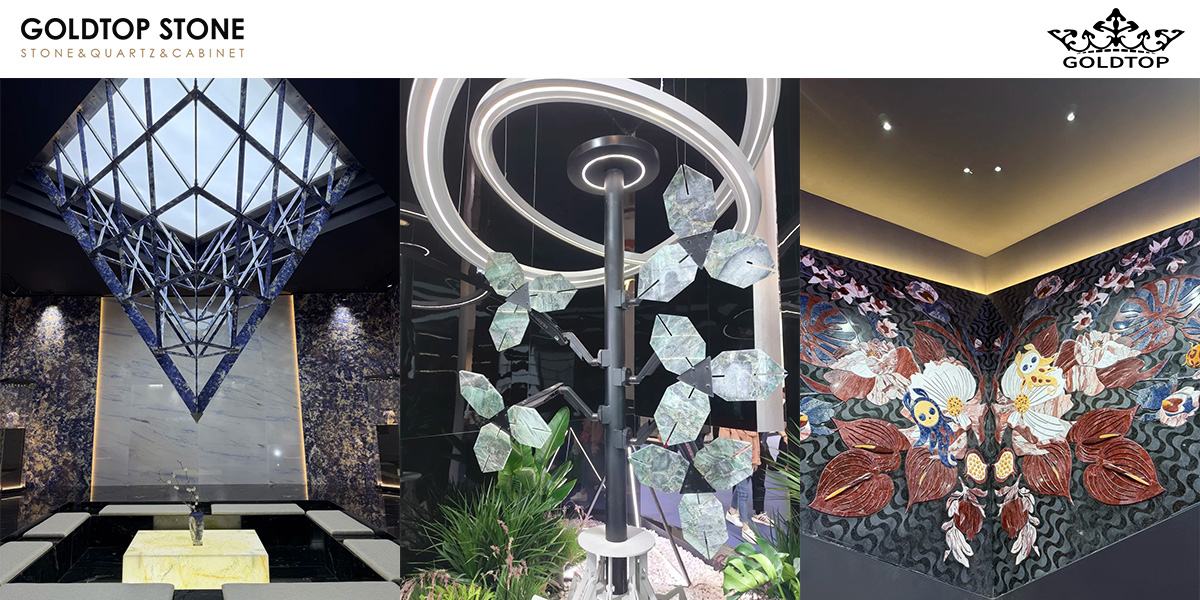
Highly expressive stones in shades of blue, green, and red are emerging as powerful design elements. Rather than being used across large surfaces, these materials are now applied more strategically—as focal points within a space.
Kitchen islands, feature walls, custom furniture pieces, and reception areas are among the most common applications. In these contexts, even a small quantity of stone can create a strong visual identity.
In recent projects, there has been a noticeable increase in demand for such high-impact materials, particularly among designers looking to differentiate their spaces while maintaining overall balance.
Beyond Material: The Rise of Surface Finishes & Craftsmanship
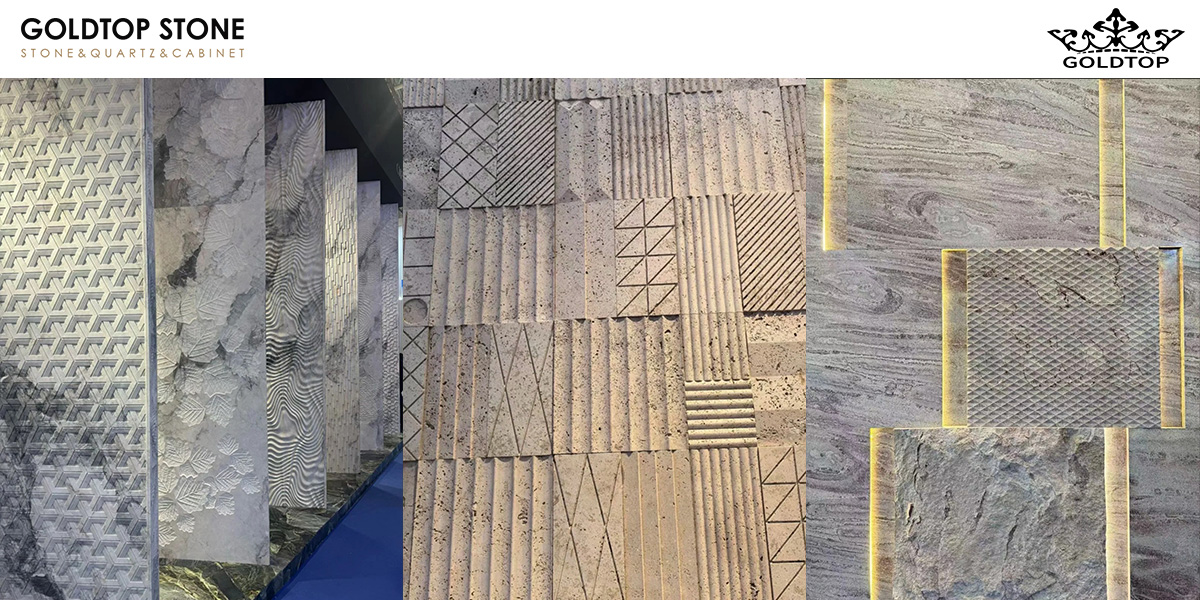
Another key shift is the growing importance of how stone is processed and finished. The value of stone is no longer defined only by its color or veining, but also by its texture and tactile experience.
Popular finishes include:
1. Leather finish – soft, warm, and refined
2. Sandblasted finish – subtle, architectural, and matte
3. Textured surfaces – expressive and design-driven
These finishes allow designers to create layered spaces that engage both visually and physically. As a result, stone is increasingly treated as a design medium rather than a static material.
With advanced fabrication and finishing capabilities, it is now possible to tailor stone surfaces to match different project requirements—from high-end residential interiors to large-scale commercial developments.
The Evolution of White: Inspired by Cloud Dancer
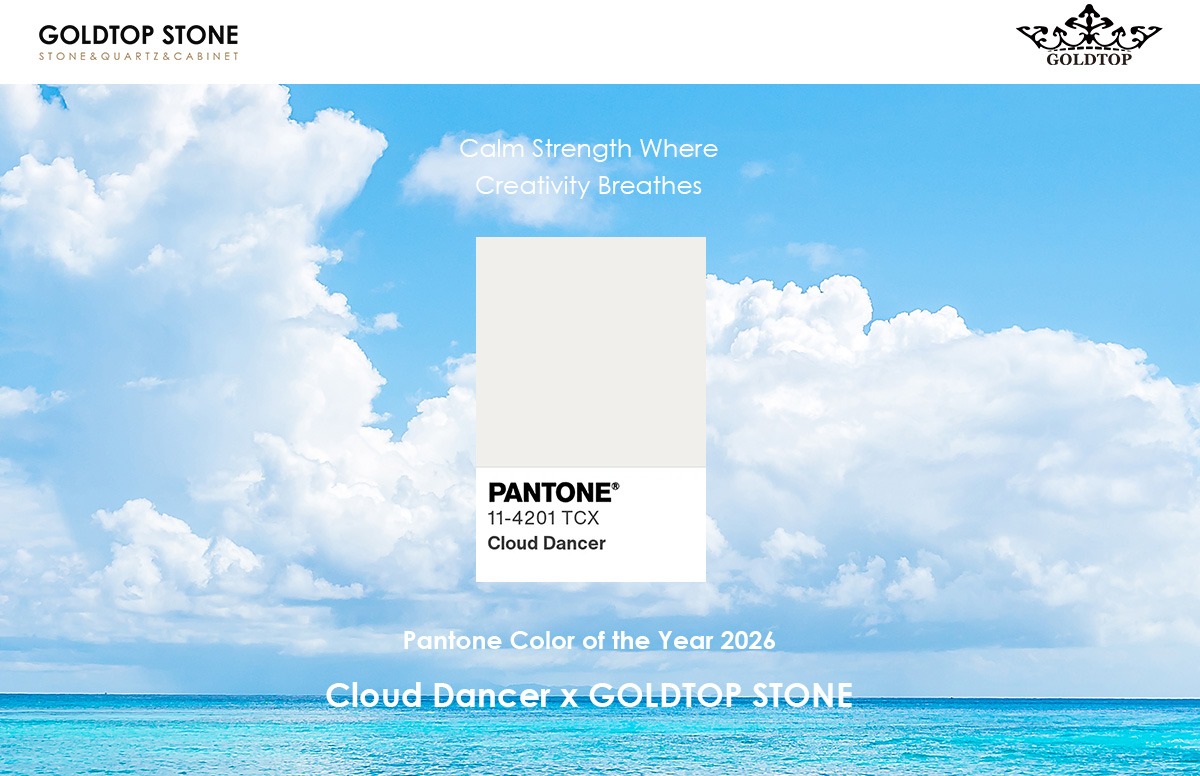
White remains the dominant choice for large spaces such as kitchens, hotel lobbies, and multi-family developments. However, its aesthetic is undergoing a subtle but important transformation.
Influenced by the 2026 color trend Cloud Dancer, white stones are shifting toward softer, warmer tones with low saturation and fluid, natural veining.
This new generation of white materials offers a calmer and more inviting atmosphere compared to the colder, high-contrast whites of previous years. The result is a more livable, emotionally resonant space—aligned with the growing preference for comfort and simplicity.
These stones are particularly suitable for projects that require visual consistency and a timeless appeal, making them ideal for large-scale residential and hospitality applications.
Limestone Revival: Natural, Relaxed, and Versatile
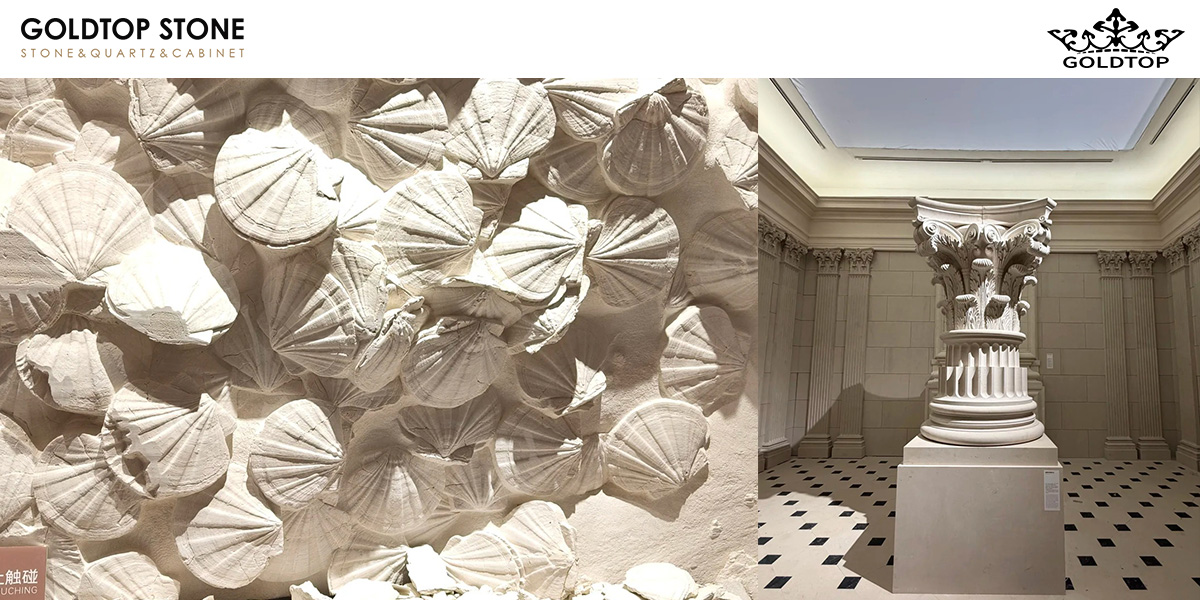
Limestone is making a strong comeback across both architectural and interior applications. At this year’s exhibition, its presence was significantly expanded—from building facades and columns to interior walls, flooring, and decorative mosaics.
Its appeal lies in its understated elegance and natural texture. Unlike more dramatic stones, limestone embodies a sense of relaxed minimalism and effortless beauty—qualities that strongly resonate with current design trends.
Another advantage is its adaptability. Through different surface treatments, limestone can achieve a wide range of visual effects, from clean and contemporary to soft and organic.
This versatility makes it an increasingly popular choice for designers seeking materials that can seamlessly integrate into various project styles.
Conclusion: From Material Selection to Spatial Expression
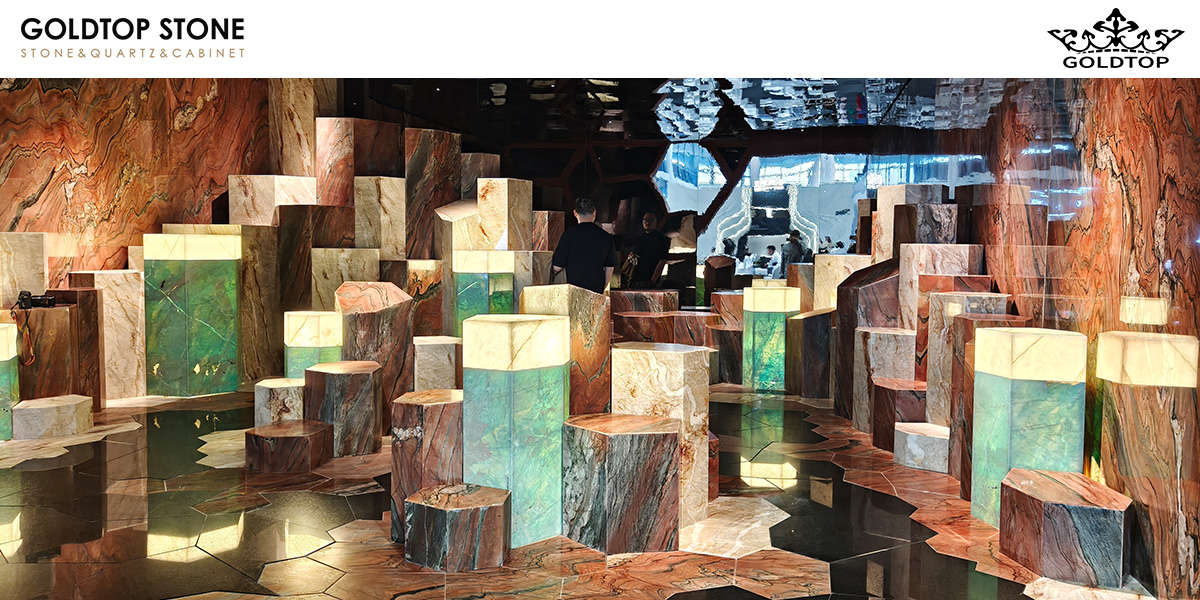
As design continues to evolve, stone is no longer just a construction material—it has become a key element in shaping atmosphere and experience.
Across all trends observed at the Xiamen Stone Fair, one common theme stands out: the integration of material, texture, and application. Whether through bold accent stones, refined finishes, or soft tonal palettes, the role of stone is becoming more dynamic and design-driven.
For developers, designers, and distributors, this means that selecting the right material is no longer just about aesthetics, but about how it performs within a space.
Working closely with global clients, we continue to explore these trends through material sourcing, custom fabrication, and project-based solutions—helping bring design concepts into reality.
If you are looking for materials aligned with the latest trends, feel free to reach out for samples or project recommendations.



 IPv6 network supported
 Your Language
 français
 Deutsch
 русский
 italiano
 español
 العربية
 日本語
日本語 한국의
한국의 中文
中文