Leave A Message
If you are interested in our products and want to know more details,please leave a message here,we will reply you as soon as we can.


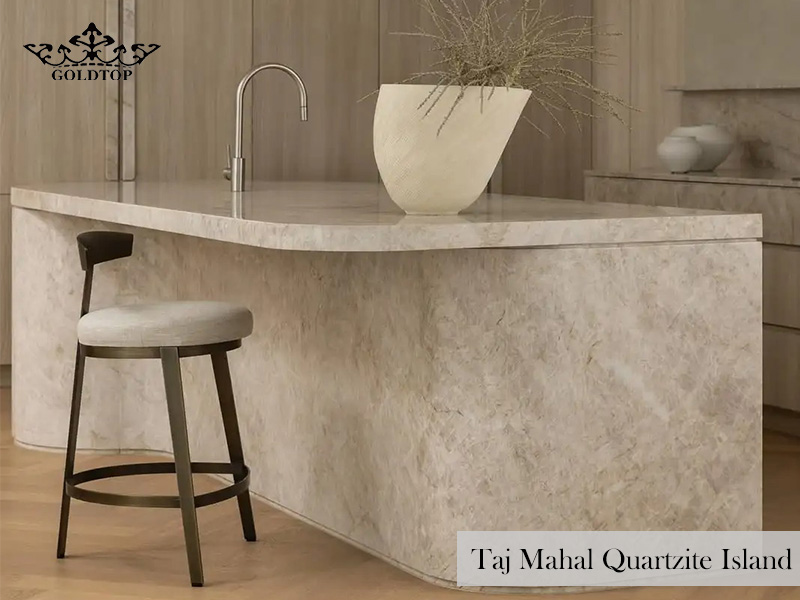
When people think about an open kitchen, the kitchen island is often the first feature that comes to mind.
More than just a worktop, a kitchen island has become the social center of modern living — a space for cooking, dining, storage, working, gathering, and everyday interaction.
As a result, stone kitchen islands are now widely used in luxury homes, villas, apartment projects, and hospitality-style residences. Materials such as natural marble, quartz, and quartzite bring a level of texture, visual impact, and sophistication that other countertop materials often cannot achieve.
Of course, not every kitchen is suitable for an island. A well-designed island should balance layout, circulation, functionality, material selection, and real-life usage habits.
In this article, we’ll look at kitchen island dimensions, common layouts, material considerations, and real project applications to help you design a functional and visually balanced stone island.
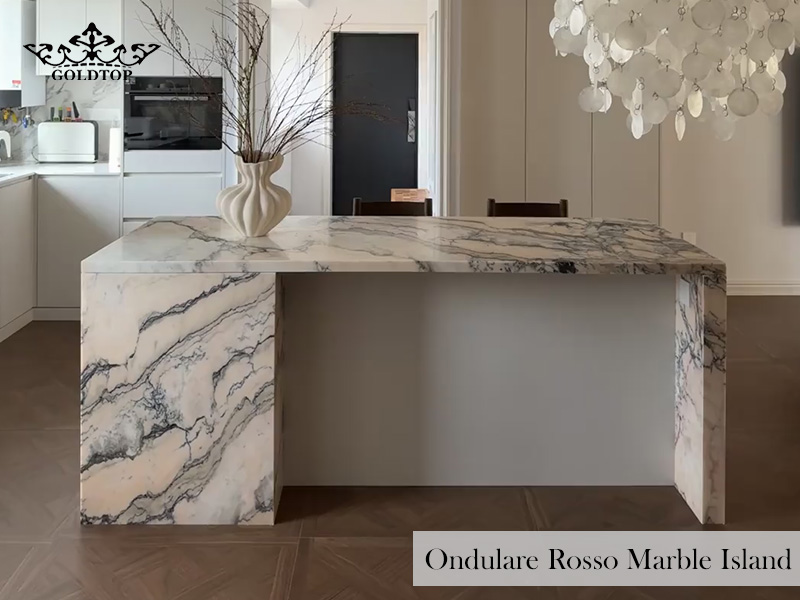
Traditional kitchens focus mainly on functionality, while modern open kitchens place greater emphasis on spatial experience.
In many contemporary homes, the kitchen is no longer just a cooking area — it has become a shared living space. The island naturally creates more possibilities within that environment.
Common functions of a kitchen island include:
● Food preparation and cooking
● Casual dining and bar seating
● Social interaction
● Additional storage
● Dining table integration
● A visual centerpiece for the kitchen
Compared with standard countertop materials, stone surfaces create a stronger sense of texture, scale, and luxury.
For example:
● Marble highlights natural veining and artistic character
● Quartz offers durability and low maintenance
● Quartzite combines natural texture with strong performance
In many high-end projects, a large-format stone island becomes the focal point of the entire kitchen space.
Although kitchen islands are highly desirable, they are not suitable for every layout.
In smaller kitchens, forcing an island into the space can create issues such as:
● Restricted circulation
● Cabinet doors that cannot open fully
● Limited walking space
● A crowded visual effect
In general:
● Homes over 100㎡ are more suitable for island layouts
● Open kitchens work best with islands
● A circulation space of around 90cm is recommended
If the kitchen is compact, a peninsula layout is often a more practical solution.
Simply put:
A kitchen island should improve the space, not make it feel cramped.
The size of an island directly affects both usability and comfort.
| Item | Recommended Size |
|---|---|
| Countertop Width | ≥50cm |
| Island Height | 85cm–95cm |
| Distance to Cabinets | ≥75cm |
| Comfortable Walkway | Around 90cm |
| Side Clearance | ≥75cm |
A 90cm walkway generally provides a more comfortable experience, especially in kitchens used by multiple people.
Integrated island dining tables have become increasingly popular in modern residential projects.
This design creates a stronger connection between the kitchen and living space while improving functionality.
Recommended dimensions:
| Item | Recommended Size |
|---|---|
| Island Length | 1.5m–2m |
| Minimum Length | At least 1.3m |
| Island Width | 80cm–90cm |
| Recommended Width | 90cm+ |
| Island Height | 93cm |
| Dining Table Height | 75cm |
| Height Difference | Around 18cm |
The split-level design improves both aesthetics and practicality, while also allowing hidden outlets and functional details to be integrated more naturally.
Additional recommendations:
● Bar stool seat height: around 65cm
● Recessed seating depth: around 20cm
● Toe kick height: around 10cm
These details can significantly improve daily comfort and usability.
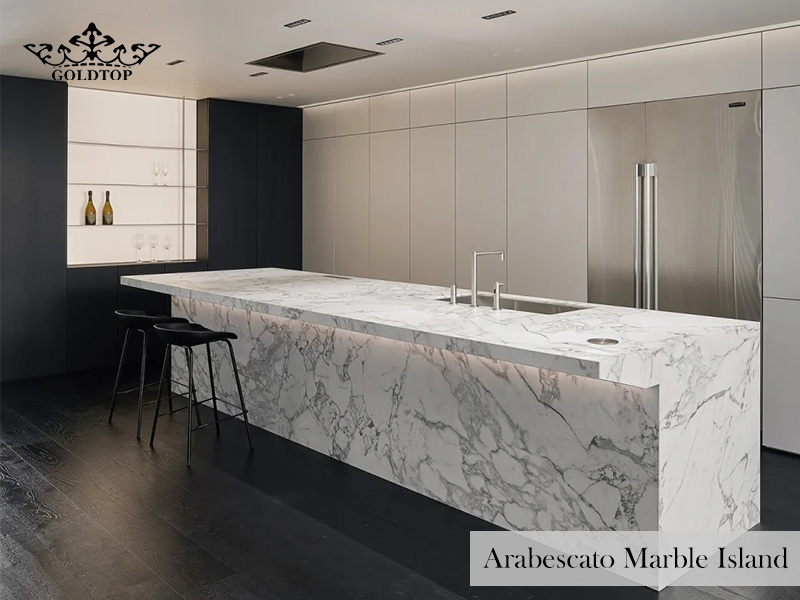
This is the classic island layout.
The island is separated from the main cabinetry, making it ideal for larger open kitchens.
Advantages:
● Stronger sense of space
● More premium visual effect
● Flexible circulation
● Better for social interaction
【Insert Case Study: Marble Freestanding Island】
Large-format stone slabs are recommended to create a stronger visual centerpiece.
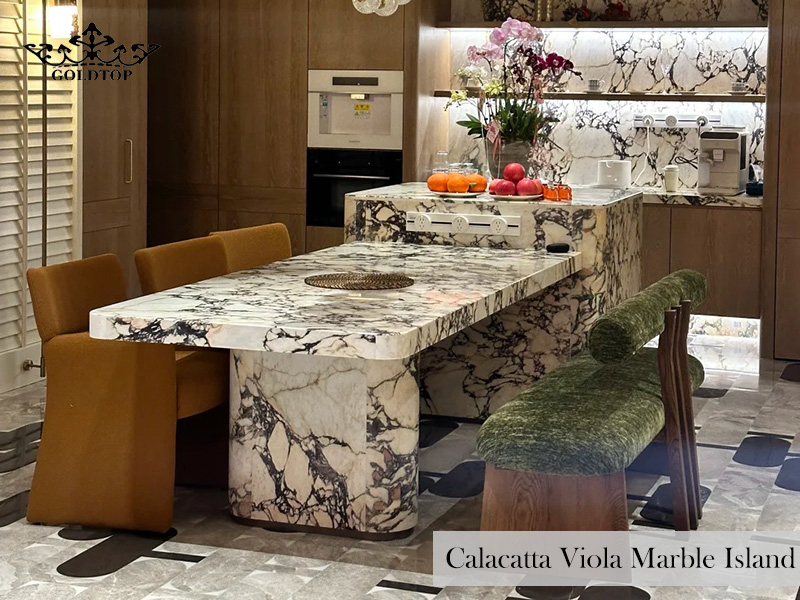
This layout combines the island with a dining table or suspended tabletop.
It has become a popular choice in modern residential design.
Advantages:
● Multi-functional use
● Better family interaction
● Improved space efficiency
【Insert Case Study: Stone Island with Wood Dining Table】
This type of design works especially well in high-end custom residential projects.
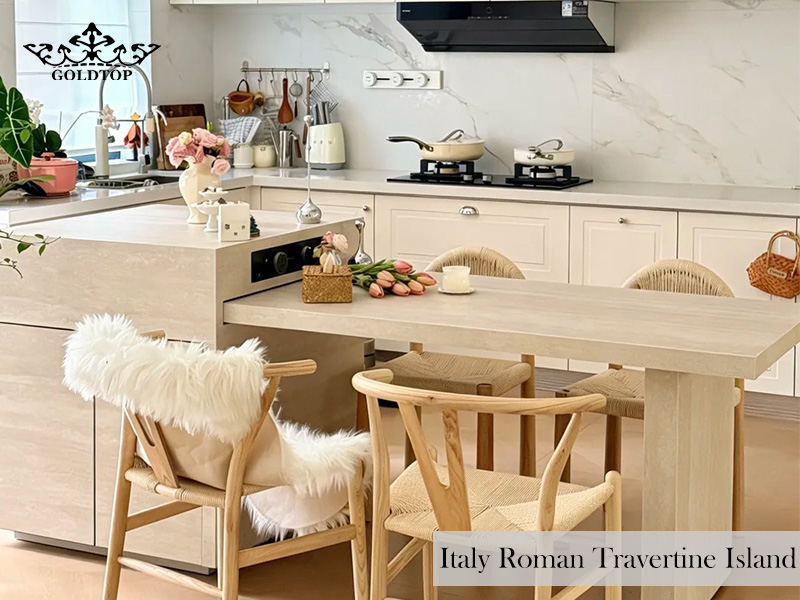
A peninsula is essentially an extension of the cabinetry.
It is suitable for:
● Small apartments
● Narrow kitchens
● Compact spaces that still require island functionality
Advantages:
● Space-saving
● Maintains interaction within the kitchen
● More efficient circulation
【Insert Case Study: Compact Peninsula Kitchen】
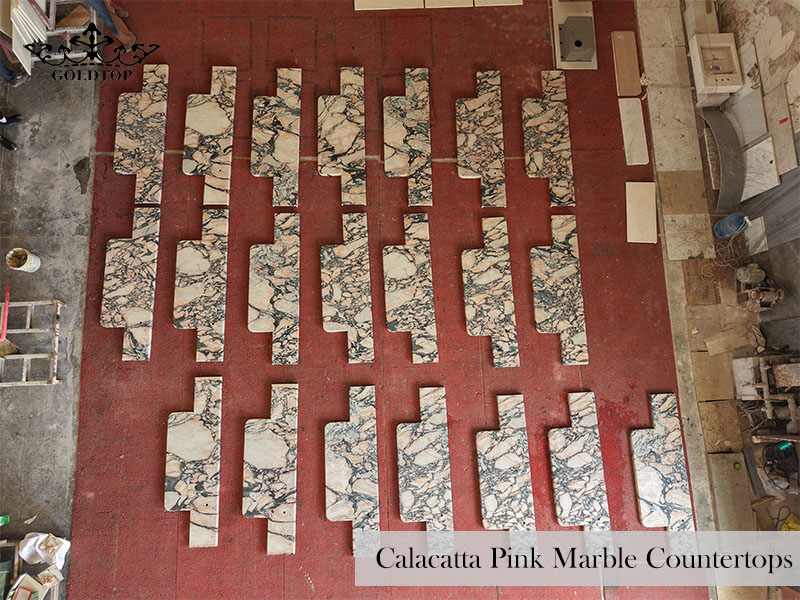
Many people assume that selecting a beautiful stone slab is enough.
In reality, a premium kitchen island also depends on:
● Slab selection
● Vein matching and layout planning
● Fabrication precision
● Edge detailing
● Installation quality
● Packaging and transportation protection
For overseas projects in particular, handling and transporting large-format island tops requires significant experience.
That is why experienced stone suppliers provide more than just raw materials. They also offer:
● Project coordination
● Countertop fabrication
● Cabinet integration support
● Export packaging solutions
A kitchen island is no longer just a countertop.
It has become part of a modern lifestyle.
A well-designed stone island can enhance both the appearance and functionality of a kitchen while creating a more refined living experience.
If you are looking for stone kitchen island solutions for residential or commercial projects, feel free to explore our:
From material selection and slab detailing to fabrication and export packaging, we provide complete stone solutions for apartments, villas, hotels, and high-end residential projects.



 IPv6 network supported
 Your Language
 français
 Deutsch
 русский
 italiano
 español
 العربية
 日本語
日本語 한국의
한국의 中文
中文