Leave A Message
If you are interested in our products and want to know more details,please leave a message here,we will reply you as soon as we can.

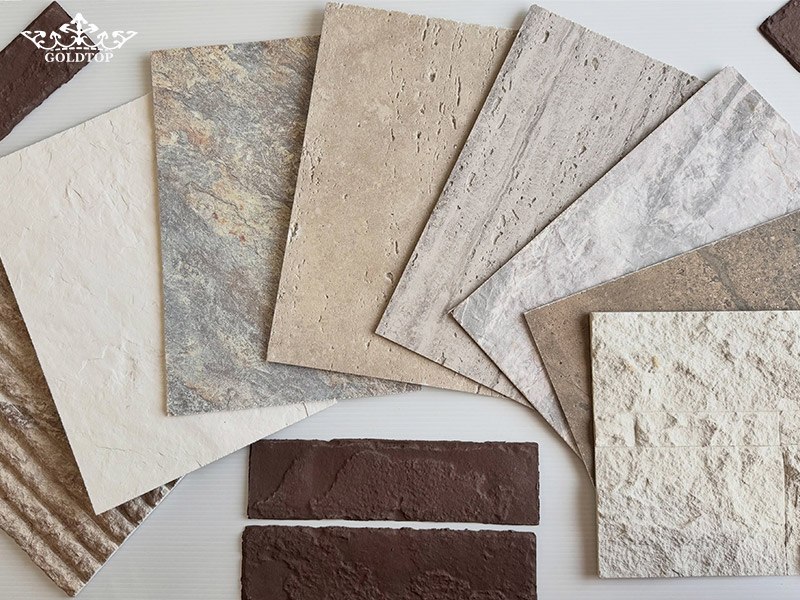
Traditional stone slabs used in construction and interior projects typically range from 10mm to 18mm in thickness. Stone products below 15mm are often referred to as thin stone, but what if natural stone could be reduced to just 1–2mm?
This is where ultra thin marble comes in.
Unlike conventional marble tiles, ultra thin marble sheets feature a 1–2mm natural slate surface backed with fiberglass and adhesive. This composite structure makes the stone lightweight and flexible while retaining the original appearance and natural texture of the stone. Its weight is approximately 1.5 kg per square meter, making it much easier to handle and install than conventional stone panels.
Most importantly, the surface is genuine natural stone, not a printed film or imitation marble finish. Every sheet retains its own natural veins, colors, and textures, making each piece unique.
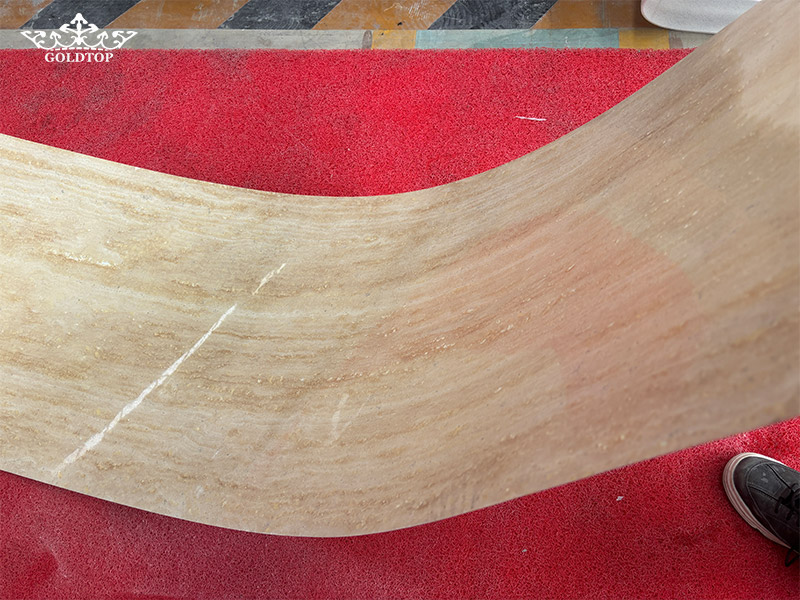
The combination of a genuine stone surface and a flexible backing gives ultra thin marble several advantages for interior applications.
● Lightweight and Easy to Install: At only 1–2mm thick, these thin marble sheets are significantly lighter than conventional stone slabs, reducing handling difficulties and installation loads.
● Authentic Natural Stone Texture: The surface preserves the original characteristics of natural stone, including its unique veins, colors, and textures.
● Flexible for Curved Surfaces: The flexible backing allows the material to adapt to curved columns, rounded furniture, and other decorative shapes that are difficult or expensive to achieve with traditional stone.
● Versatile Material Compatibility: Ultra thin stone can be bonded to suitable substrates, including wood-based panels, metal, and other materials, depending on project requirements.
● Practical Surface Performance: With appropriate installation and surface protection, it offers resistance to moisture, wear, corrosion, and fire-related exposure. Actual performance depends on the selected stone, backing system, and installation specifications.
The flexibility and lightweight structure of ultra thin marble have expanded the possibilities of natural stone in interior design.
Beyond conventional wall cladding, thin marble tiles and marble tile sheets can be used for decorative ceilings, cabinet surfaces, furniture, lighting fixtures, wall art, and custom interior features.
One particularly interesting application is curved column cladding. Traditionally, creating a natural stone finish on rounded columns requires complex stone cutting, segmented fabrication, and considerable installation work. Flexible marble offers a more efficient alternative, allowing designers to achieve a continuous natural stone appearance on curved surfaces.
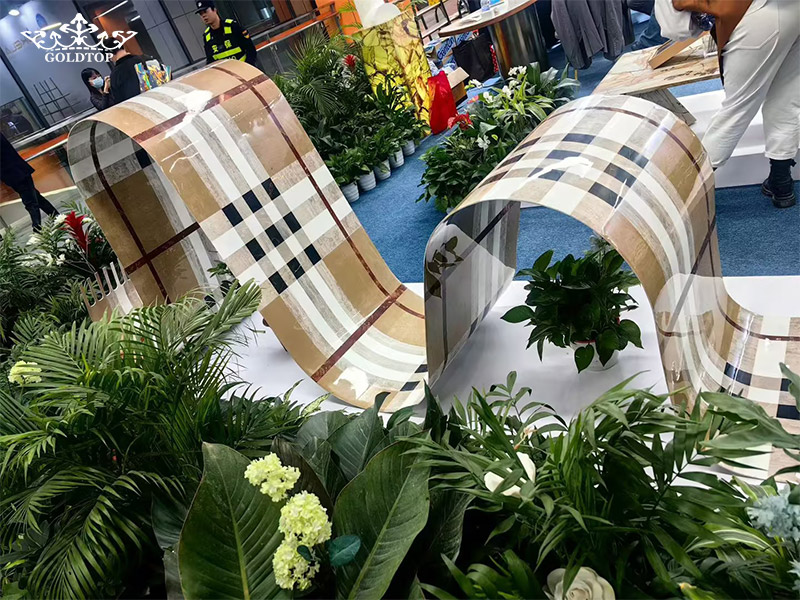
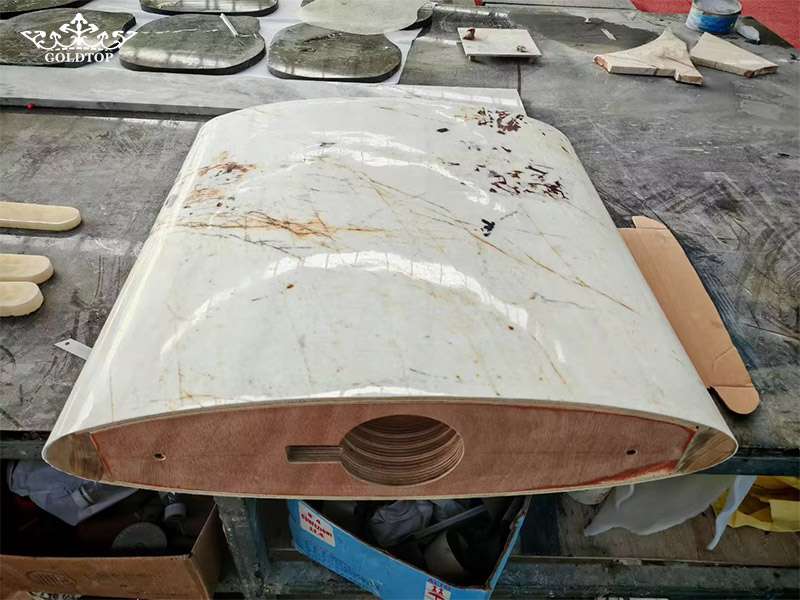
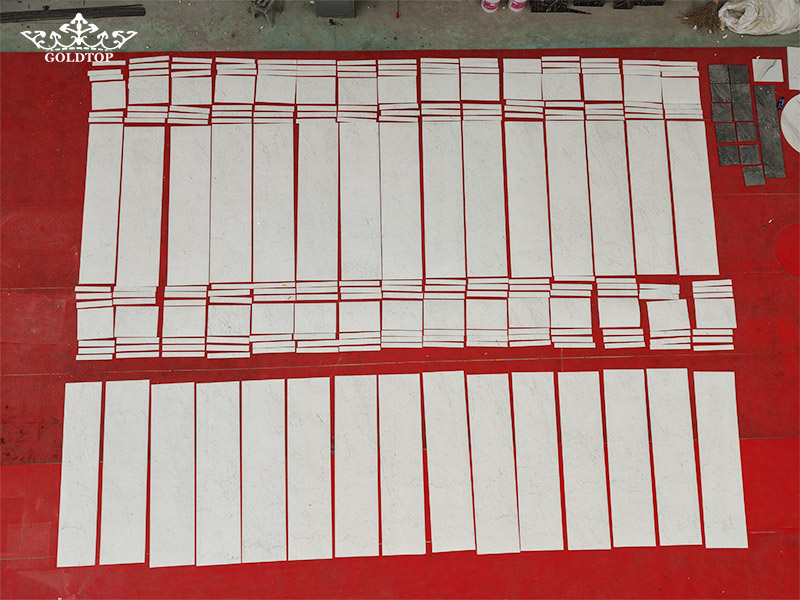
At Goldtop Stone, we recently completed a custom interior decoration project using ultra thin natural stone.
The project featured Carrara White Marble and Travertine, both processed into approximately 1mm-thick stone sheets for rounded column cladding.
The challenge was to preserve the natural stone appearance while adapting the material to curved surfaces. This required careful material selection, thickness control, precise cutting, edge finishing, and coordination throughout the fabrication process.
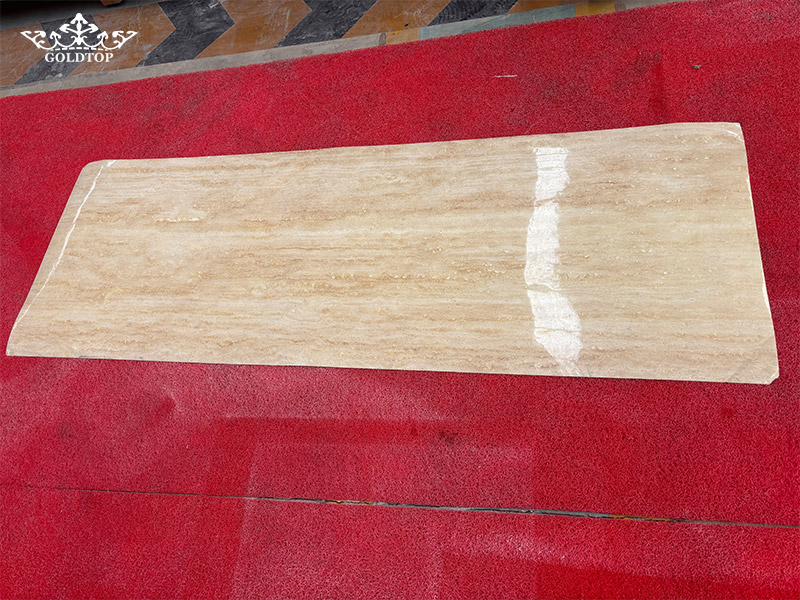
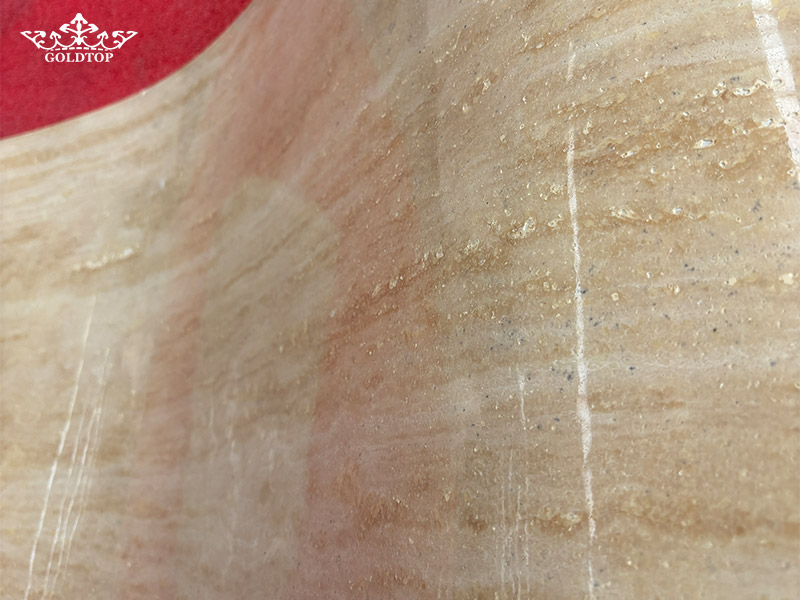
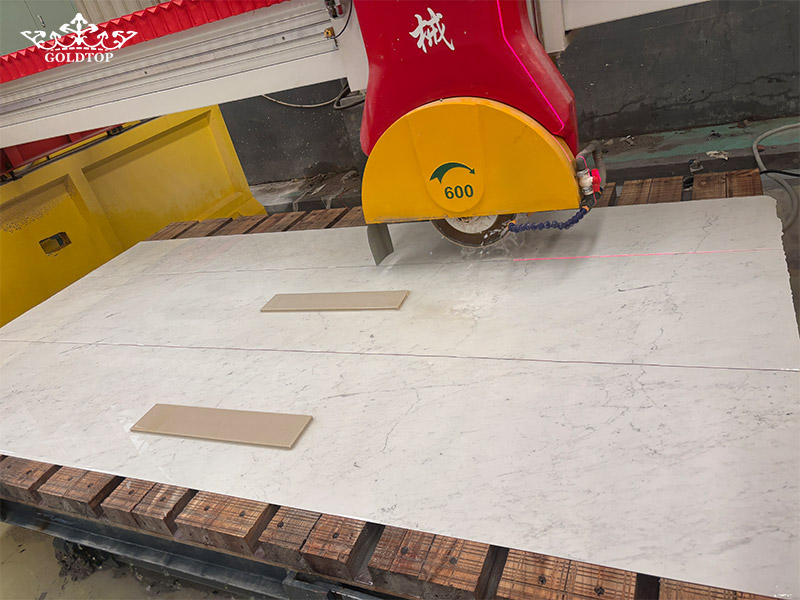
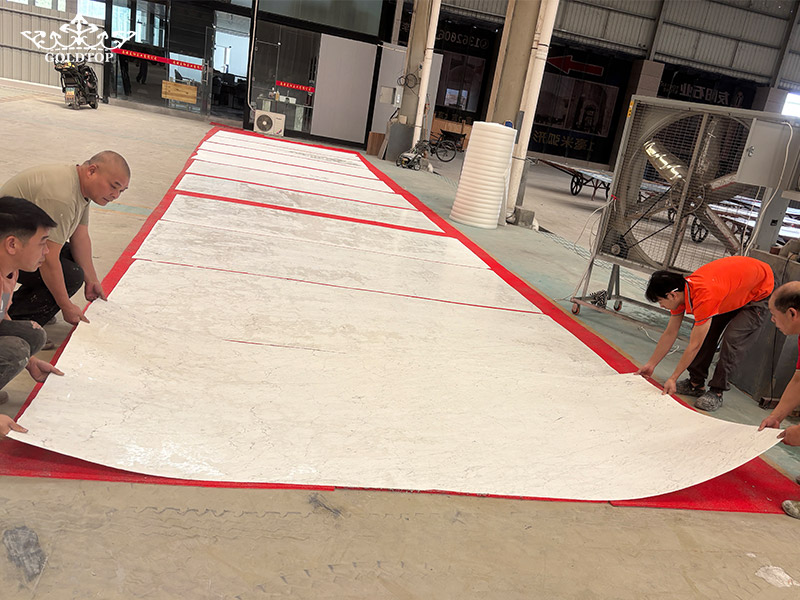
For this project, our team focused on:
● Material selection: Choosing suitable marble and travertine surfaces according to the design requirements.
● Thickness control: Processing the natural stone into approximately 1mm sheets while maintaining consistency.
● Precision cutting: Following project dimensions to ensure accurate sizing and fit.
● Edge finishing: Carefully treating the edges to achieve a clean appearance and facilitate installation.
● Quality inspection: Checking surface conditions, dimensions, thickness consistency, and potential defects before packing.
This project demonstrates how natural stone can be used beyond traditional flat surfaces, bringing authentic marble and travertine textures into curved architectural details.
Despite their delicate appearance, ultra thin marble sheets can be processed and installed through a relatively straightforward procedure when handled correctly.
A typical installation process includes:
1. Measurement: Measure the installation area and prepare the required dimensions.
2. Cutting: Cut the flexible marble sheets according to the project drawings.
3. Edge Trimming: Refine the edges to ensure a neat fit.
4. Adhesive Application: Apply a suitable adhesive to the prepared substrate.
5. Installation: Position the sheets carefully on the target surface.
6. Adjustment: Align the material, remove air pockets, and ensure proper bonding.
7. Final Inspection: Check the surface, edges, and overall installation quality.
For curved columns and other irregular surfaces, accurate measurement and careful handling are particularly important. Compared with conventional marble, flexible marble can significantly simplify the process of achieving curved stone finishes.
At Goldtop Stone, we understand that ultra thin marble projects require more than simply reducing stone thickness. Material selection, processing precision, backing quality, and installation compatibility all affect the final result.
Our team provides customized stone fabrication for interior decoration and architectural projects, from material selection and dimension planning to cutting, edge finishing, quality inspection, and protective packaging.
Whether you are looking for 1mm marble, flexible marble, or custom thin marble sheets for curved columns, wall cladding, furniture, or other decorative applications, we can help develop a suitable stone solution based on your project drawings and specifications.
Contact Goldtop Stone to discuss your next ultra thin natural stone project.



 IPv6 network supported
 Your Language
 français
 Deutsch
 русский
 italiano
 español
 العربية
 日本語
 한국의
 中文